
Light Roast vs. Dark Roast: What's the Difference
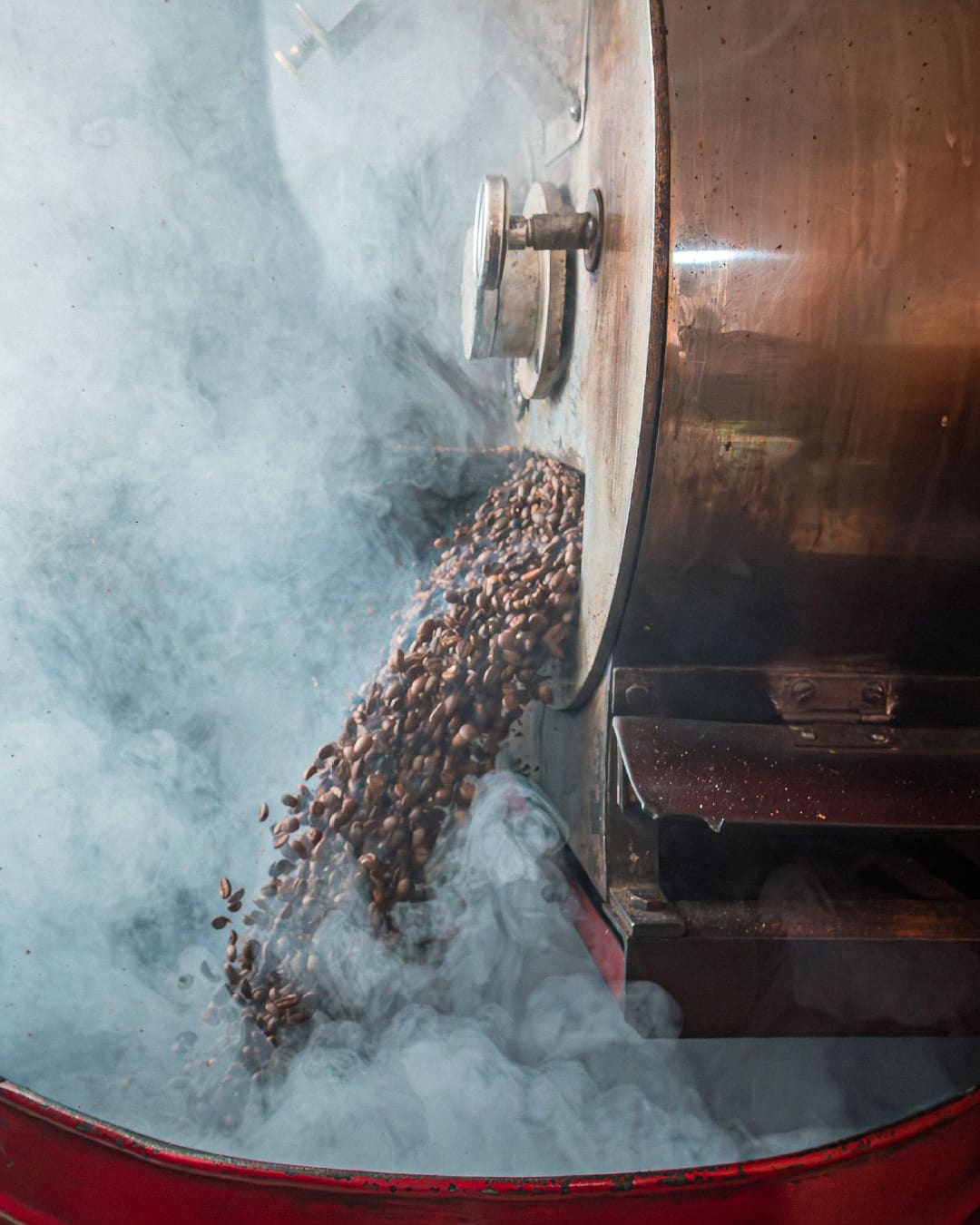
Roasting is the single process that turns green coffee into something drinkable, and it fundamentally transforms the bean's chemical structure. As roast level increases, the bean is exposed to more heat, sugars caramelize, oils rise to the surface, and the original origin character gradually fades into the background.
Light roast preserves the bean's original traits — its acidity, fruity and floral notes — more than any other roast level. It's usually stopped right after 'first crack'. It's ideal for anyone who wants to explore the true character of a single-origin coffee.
Medium roast strikes a balance between acidity and body. Origin character is still noticeable, but the caramel and nutty notes brought on by the roasting process start to come through too. For most people, this is the profile that best fits the idea of an 'everyday coffee'.
Dark roast is stopped around or past 'second crack'. At this point, the bean's own character sits largely behind the smoky, cocoa and toasted-sugar notes brought on by the roast itself. It's often preferred for espresso and milk-based drinks because its intense body balances well with milk.
There's no definitive answer to which roast level is 'better' — it comes down to personal taste and brewing method. If you drink filter coffee, light-to-medium roast usually works best; if you prefer milk-based drinks, medium-to-dark roast tends to deliver better results.
At Kimor, we spend a long time finding the roast profile that best suits each origin's character, and we evaluate every batch through cupping after roasting.