
The right ratio for a drip coffee maker is 1:15-1:18; the real issue is calculating it from the real water volume, not the carafe's "cup" line.
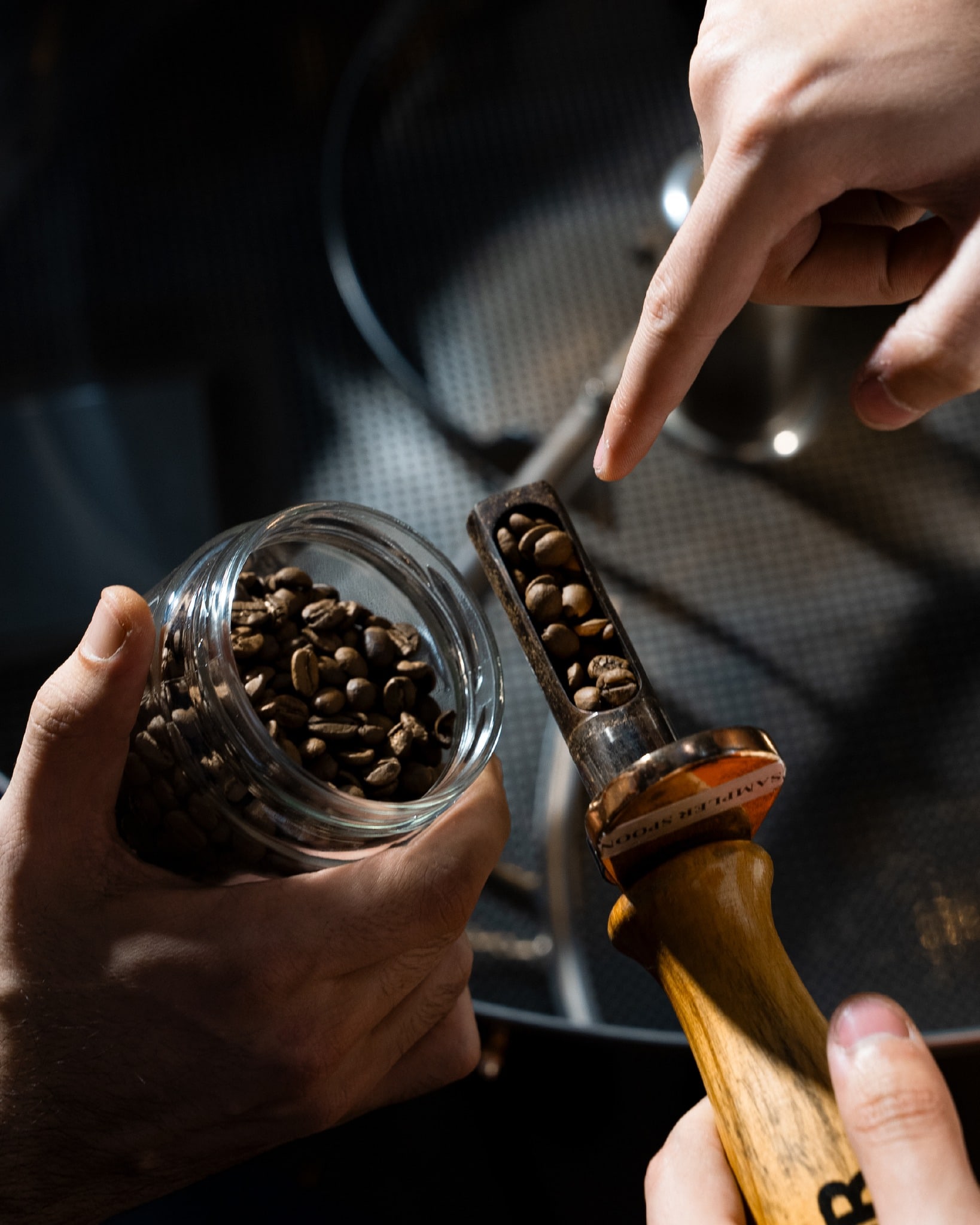
Choosing a coffee gift set comes down to roast profile and box size — matching those to the recipient's taste points you to the right set.
What do chocolate, strawberry or bergamot notes on a bag actually mean? Learn how roast level and brew method shape coffee tasting notes.
How many hours does cold brew need, what ratio and grind should you use? The steps to make balanced cold brew at home, plus common mistakes.
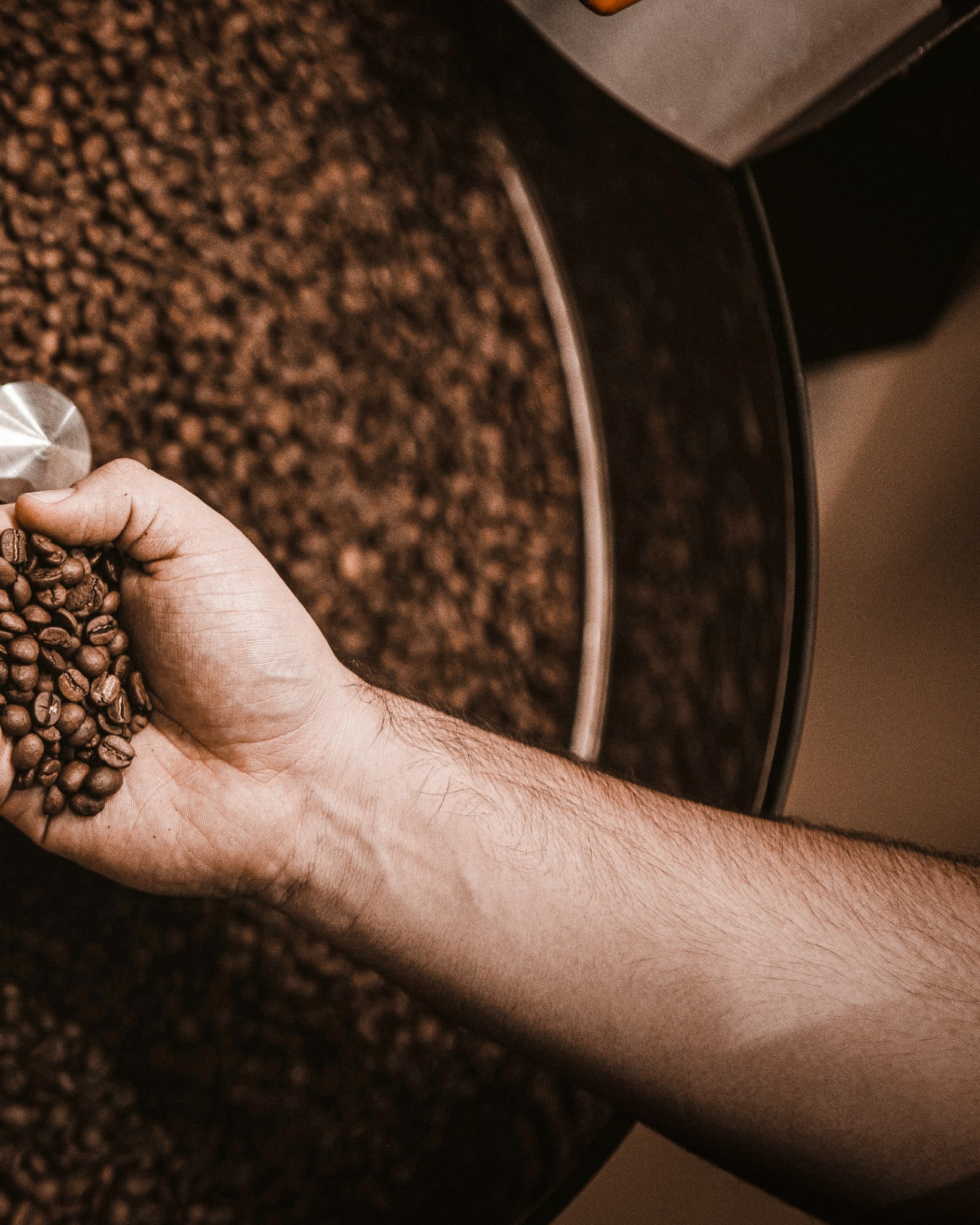
Before comparing price quotes, question roast-to-door time, batch consistency, capacity, and support scope — choose the supplier that fits your café long-term.
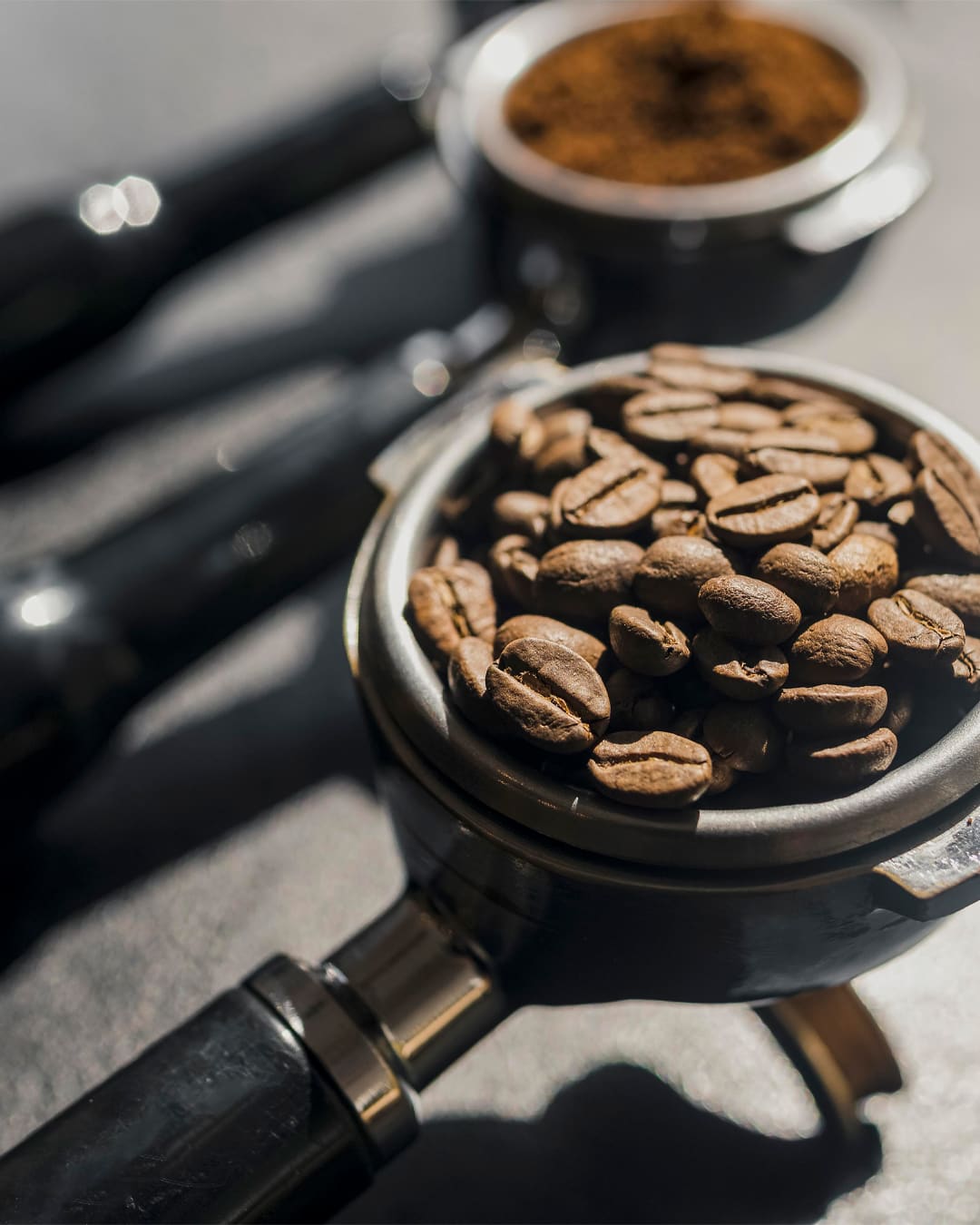
Coffee grind size changes with the brewing method. Learn how to choose and dial in the right grind, from Turkish coffee to French press.
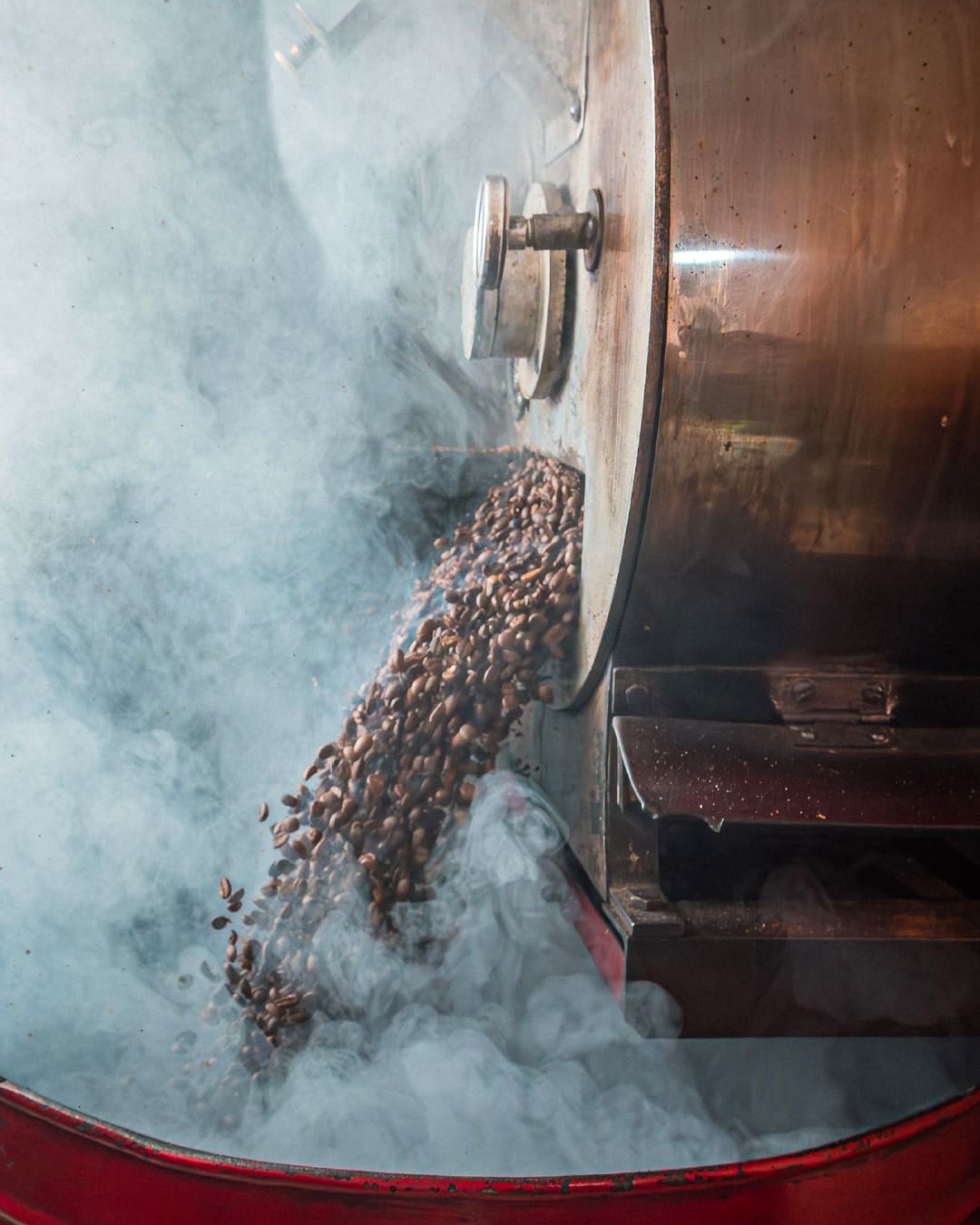
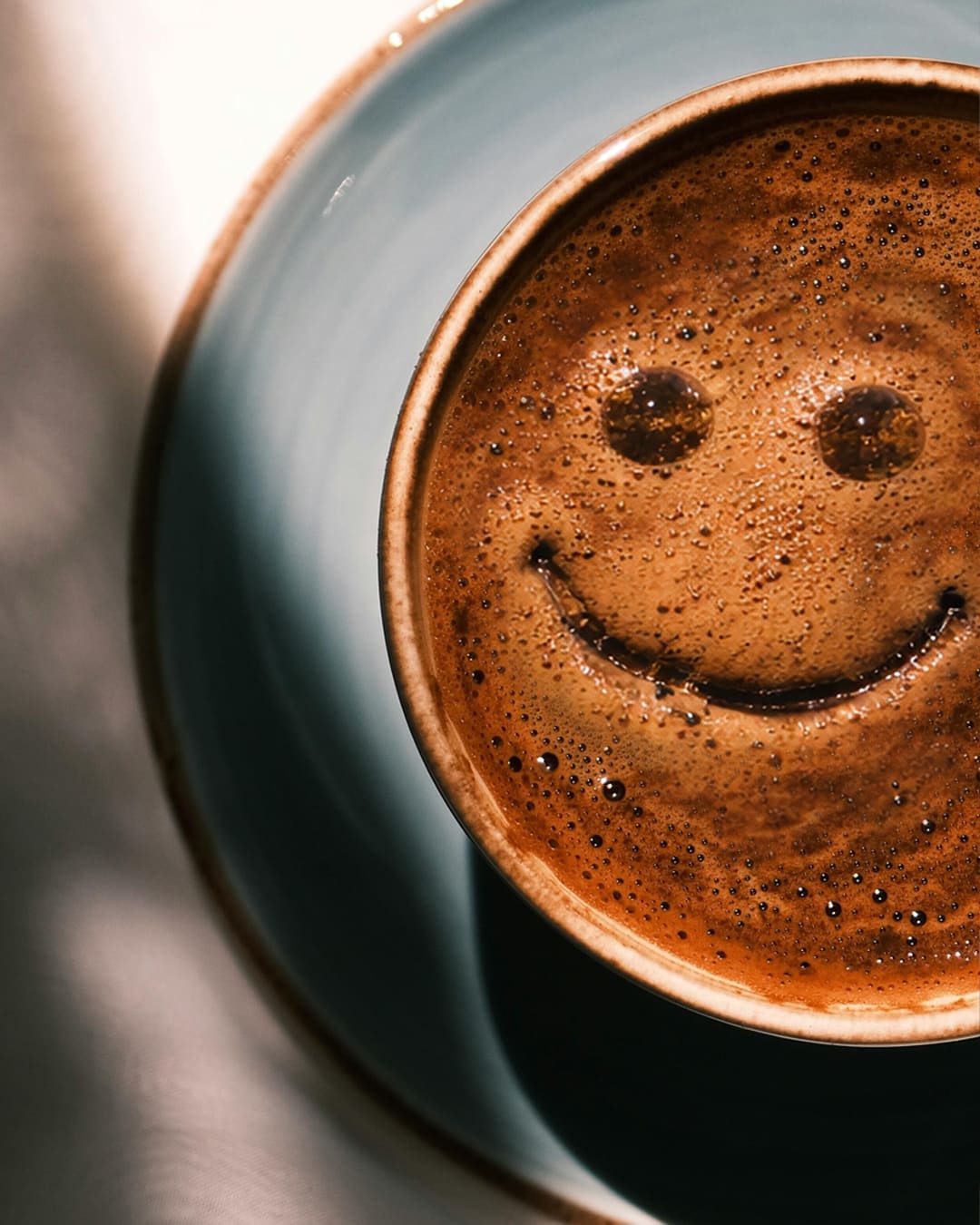
Should you buy medium roast or dark roast Turkish coffee? We compare taste, foam and finish across all three roast options.
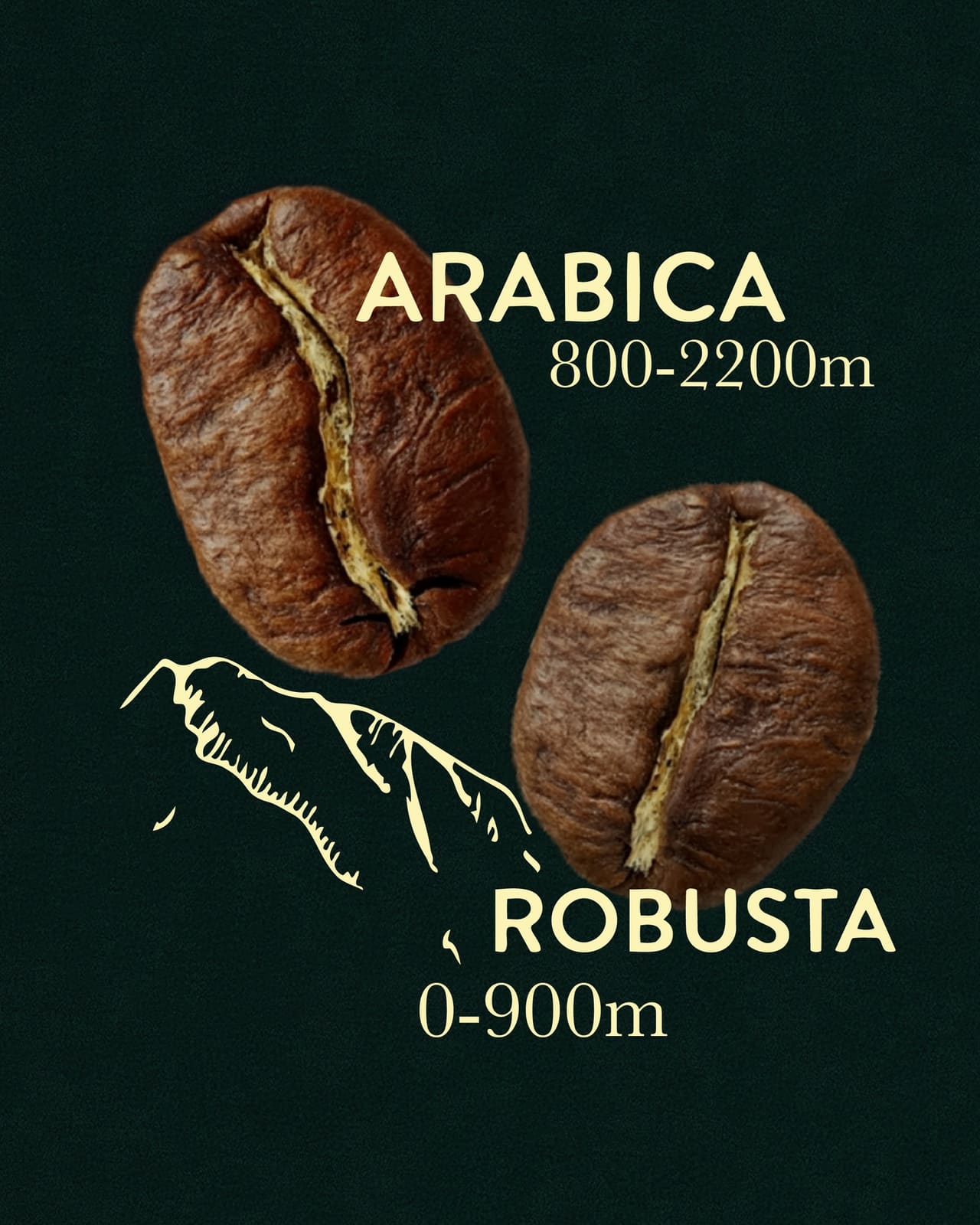
What is the difference between arabica and robusta coffee? We compare caffeine content, growing altitude, flavor profile and price, and when each one is preferred.
Should you buy whole bean or ground coffee? We explain the difference and the right choice based on freshness, whether you own a grinder, and your brewing equipment.
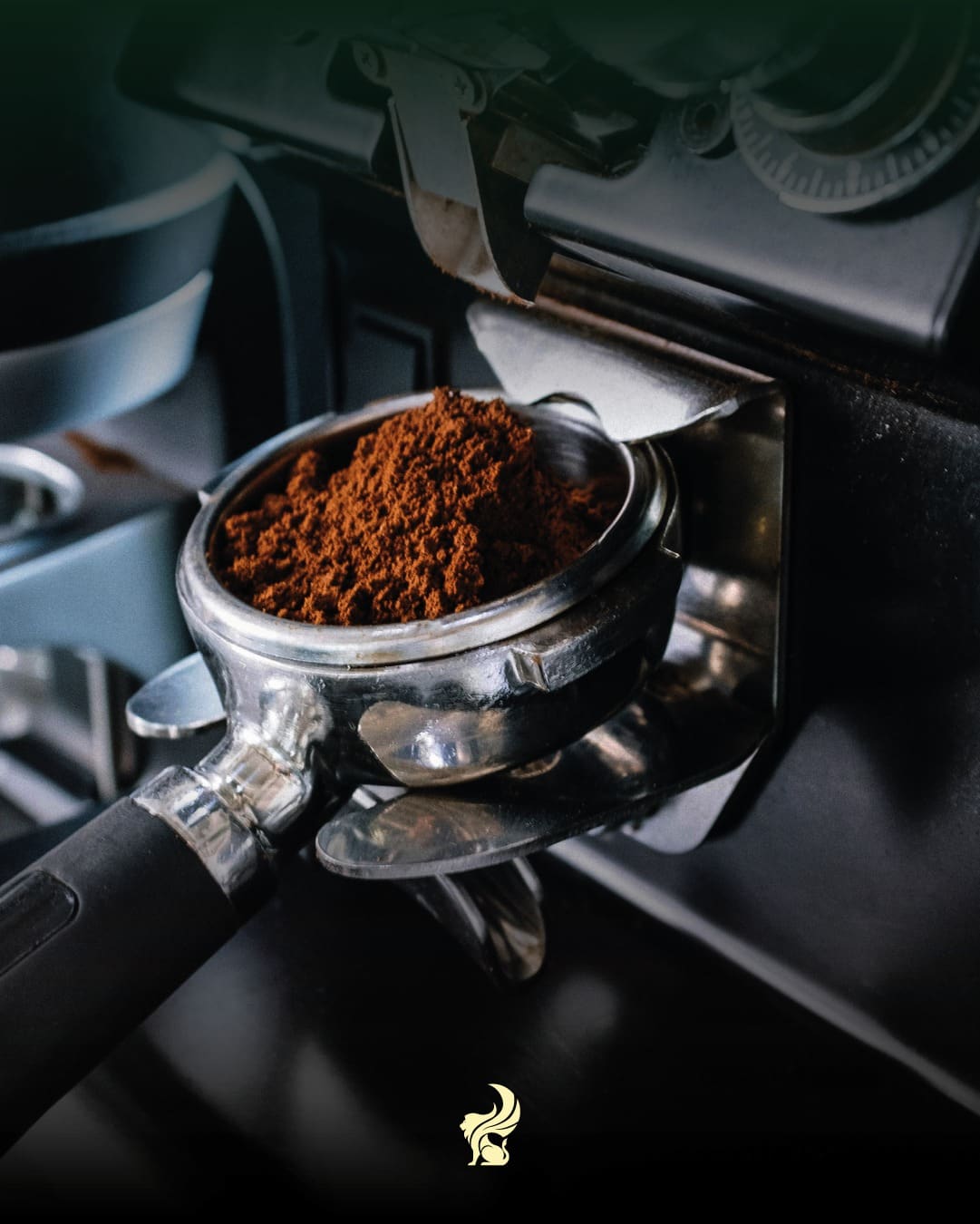
How do you use a moka pot? A step-by-step guide to water level, the right grind and heat settings for brewing coffee at home.
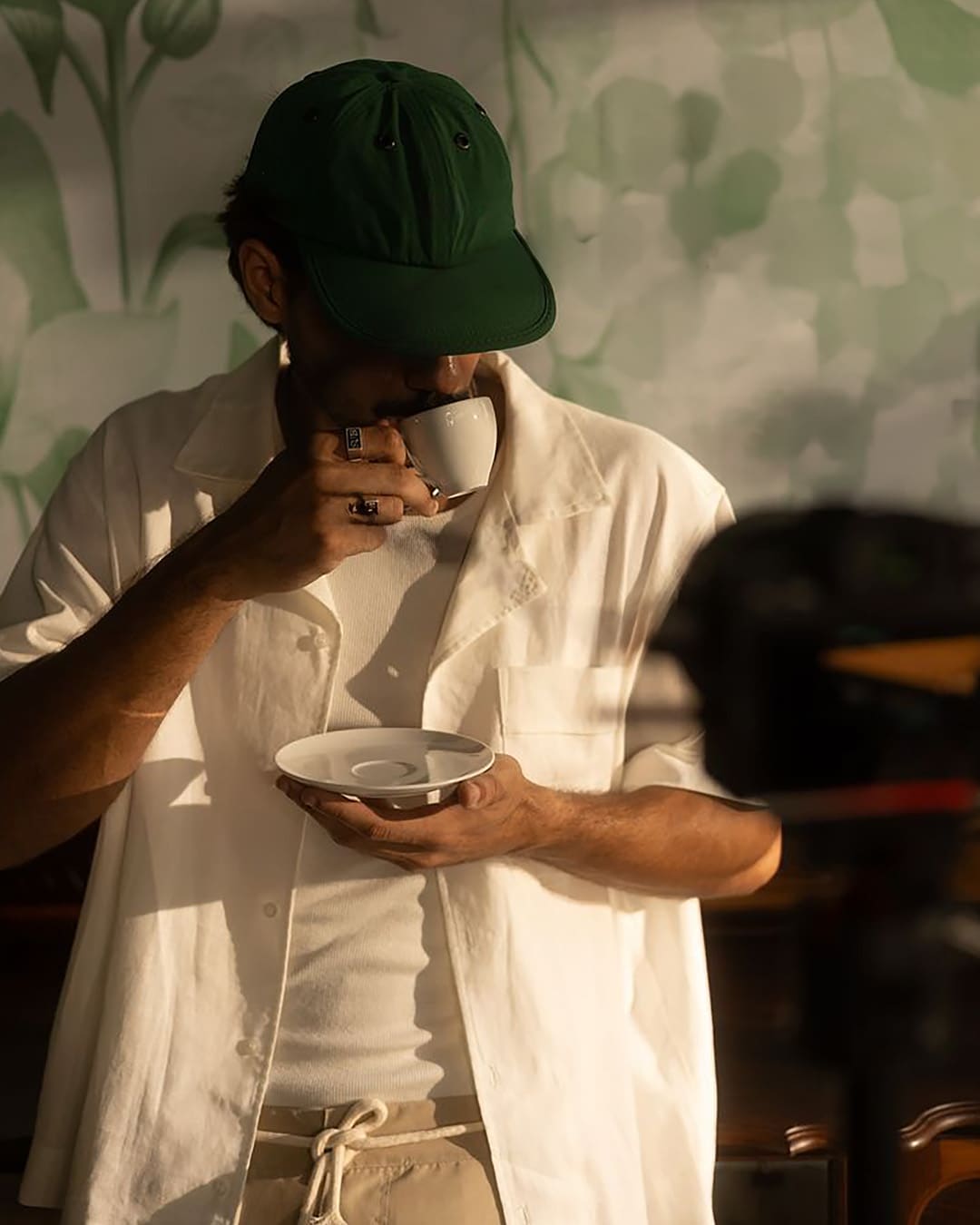
Choosing coffee for the office starts with the machine, then the grind, and only then the roast degree; a step-by-step decision guide is here.
The short answer to how to make French press coffee: a coarse grind, the right ratio and a 4-minute brew. Step-by-step technique and common mistakes here.
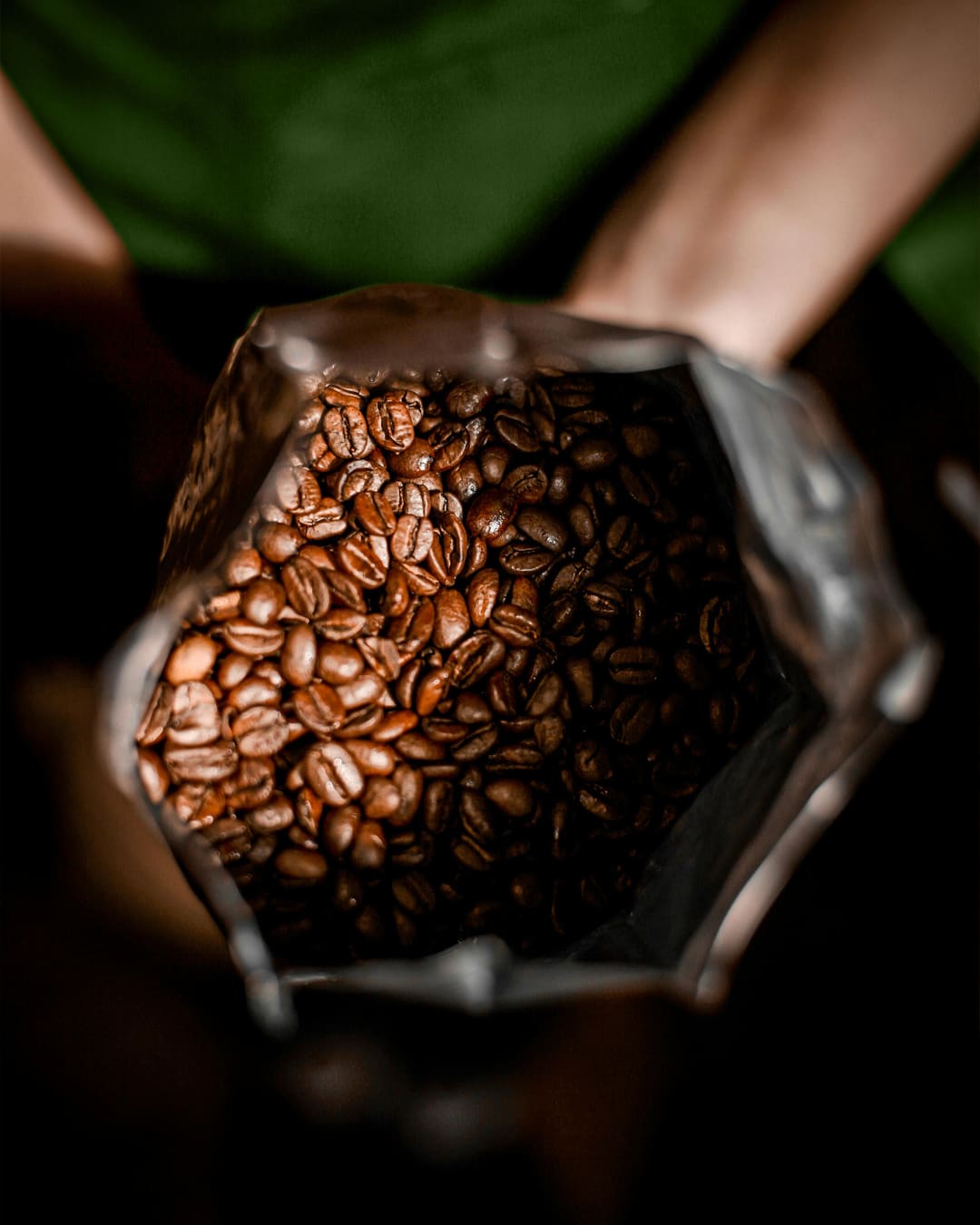
How should coffee beans be stored? A guide to keeping beans away from light, heat, moisture and oxygen, choosing the right container, and timing.
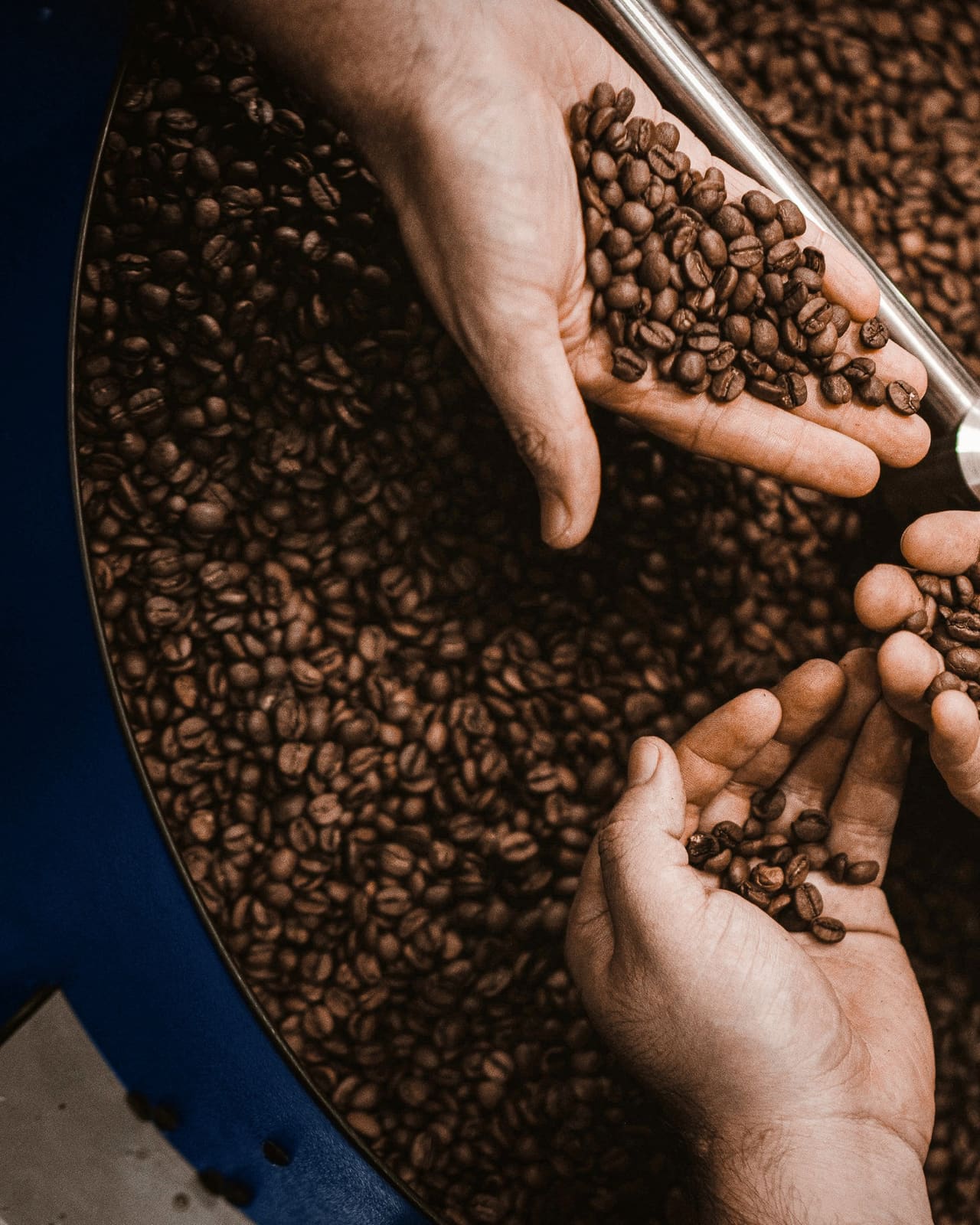
How to choose espresso beans: a step-by-step guide to roast level, freshness and grind, explained through Kimor's own blends.
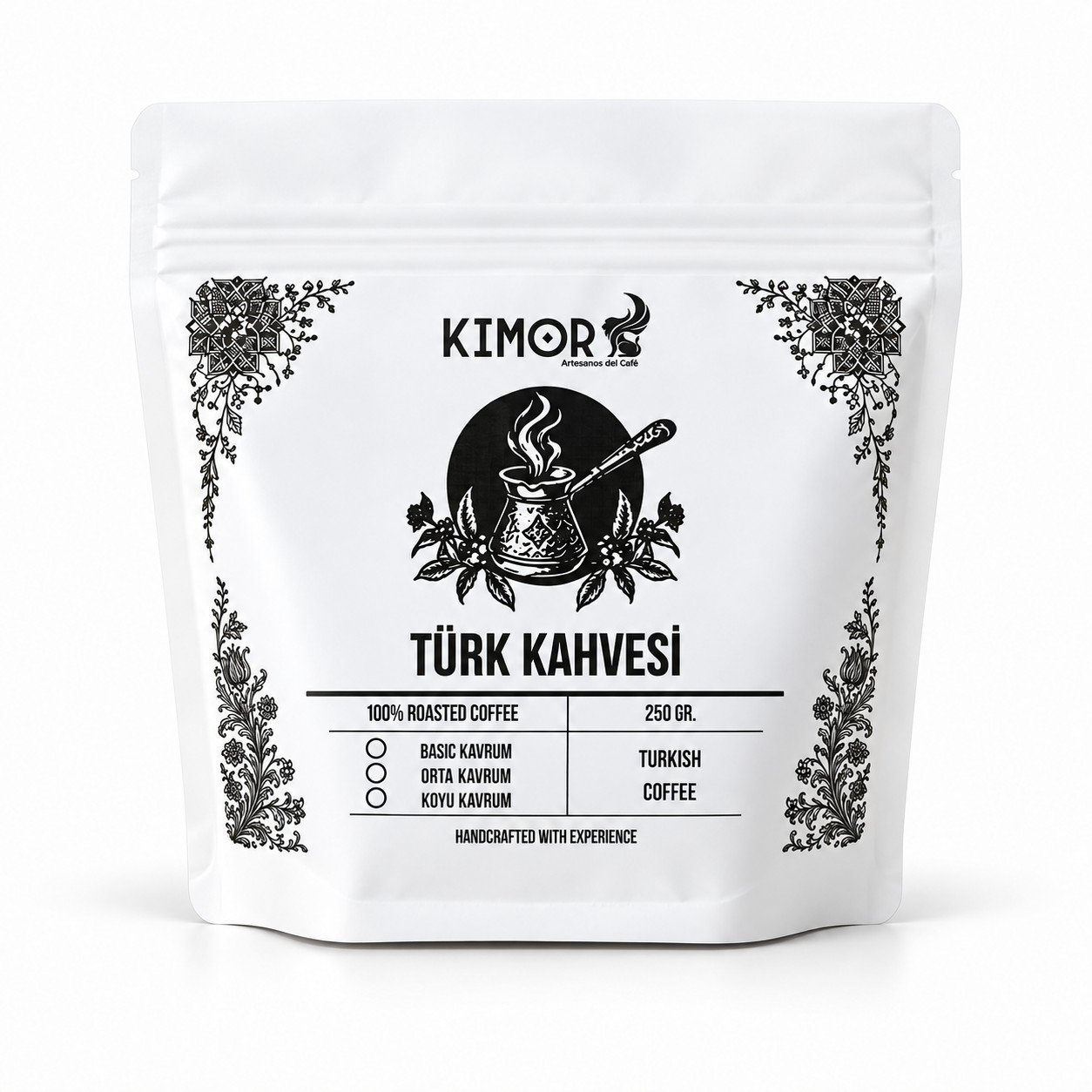
The short answer to how to make foamy Turkish coffee: fine grind, the right ratio, cold water and low heat. The step-by-step cezve technique here.
The short answer to how to make filter coffee: the right ratio, the right grind, and the right water temperature. Full step-by-step guide here.
Plan servings, available stock and brewing capacity for a one-off gathering without unnecessarily increasing your regular order.
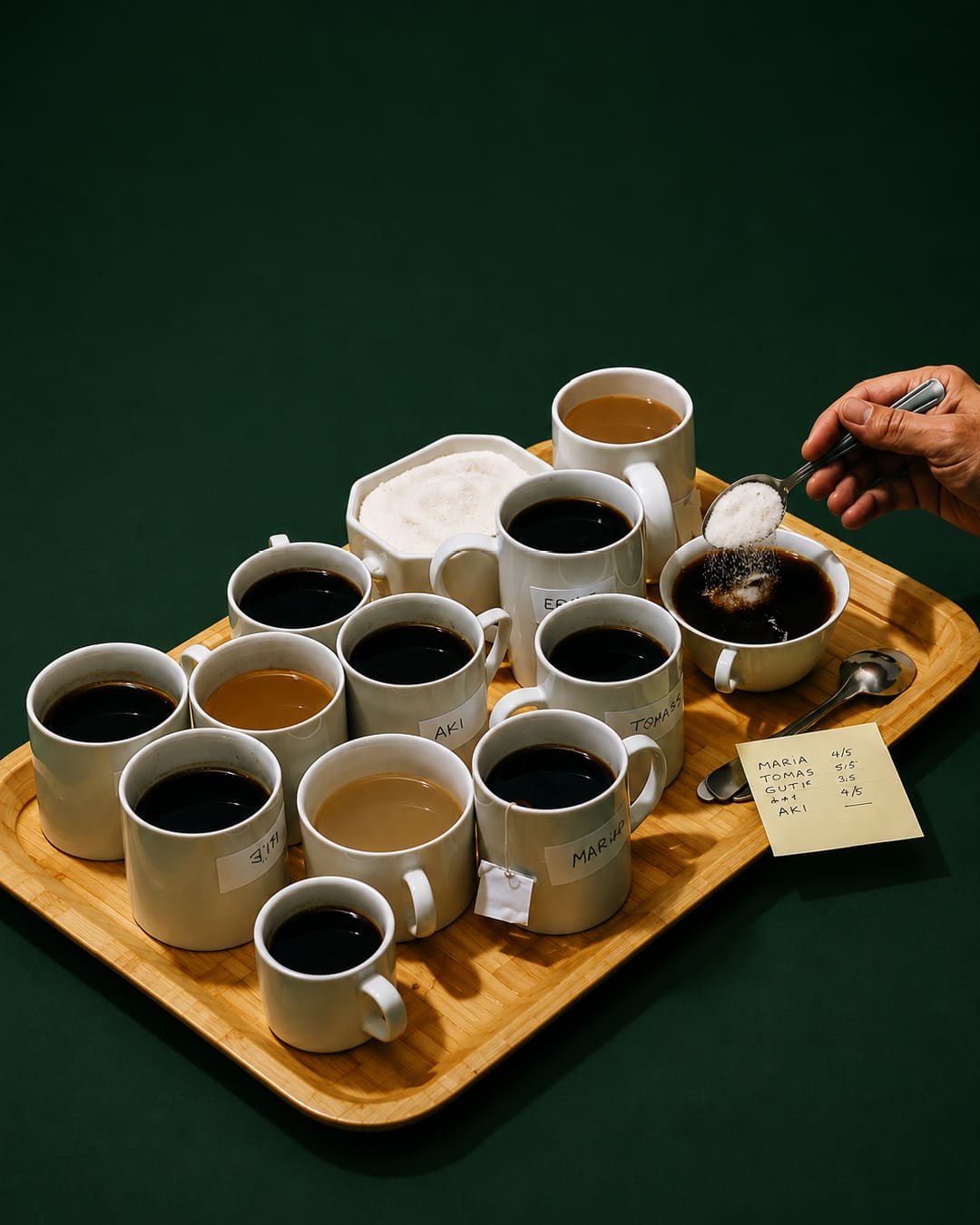
Use coded cups, comparable tasting conditions and a repeat trial to choose the recipe that suits you.
Compare kilogram prices within the same order scenario and identify unclear packaging, delivery, payment and support terms.
Make sample tasting useful for service with recorded recipes, consistent equipment and milk-drink comparisons.
A practical stock calculation that accounts for attendance, brewing doses and meeting guests.
Use your actual brewing dose and routine to estimate a subscription quantity instead of guessing by bag count.
The coffee billions of cups are drunk of today is the result of a centuries-long journey — from Ethiopia's high plateaus to Yemen, then to Ottoman Istanbul and Europe's coffeehouses.
Roast level shapes not just a coffee's color, but its acidity, body and aroma. Understanding the difference between light and dark roast is the first step to finding the coffee that's right for you.

Considered the birthplace of Arabica coffee, Ethiopia's Yirgacheffe region grows coffee at 1,900-2,200 meters — altitudes that produce beans with a distinctly floral, citrusy character.
The Hario V60's conical shape and single large hole reveal coffee at its cleanest and brightest — when used with the right technique. Here's how to get consistent results at home.