

How to Use a Moka Pot: A Step-by-Step Coffee Guide
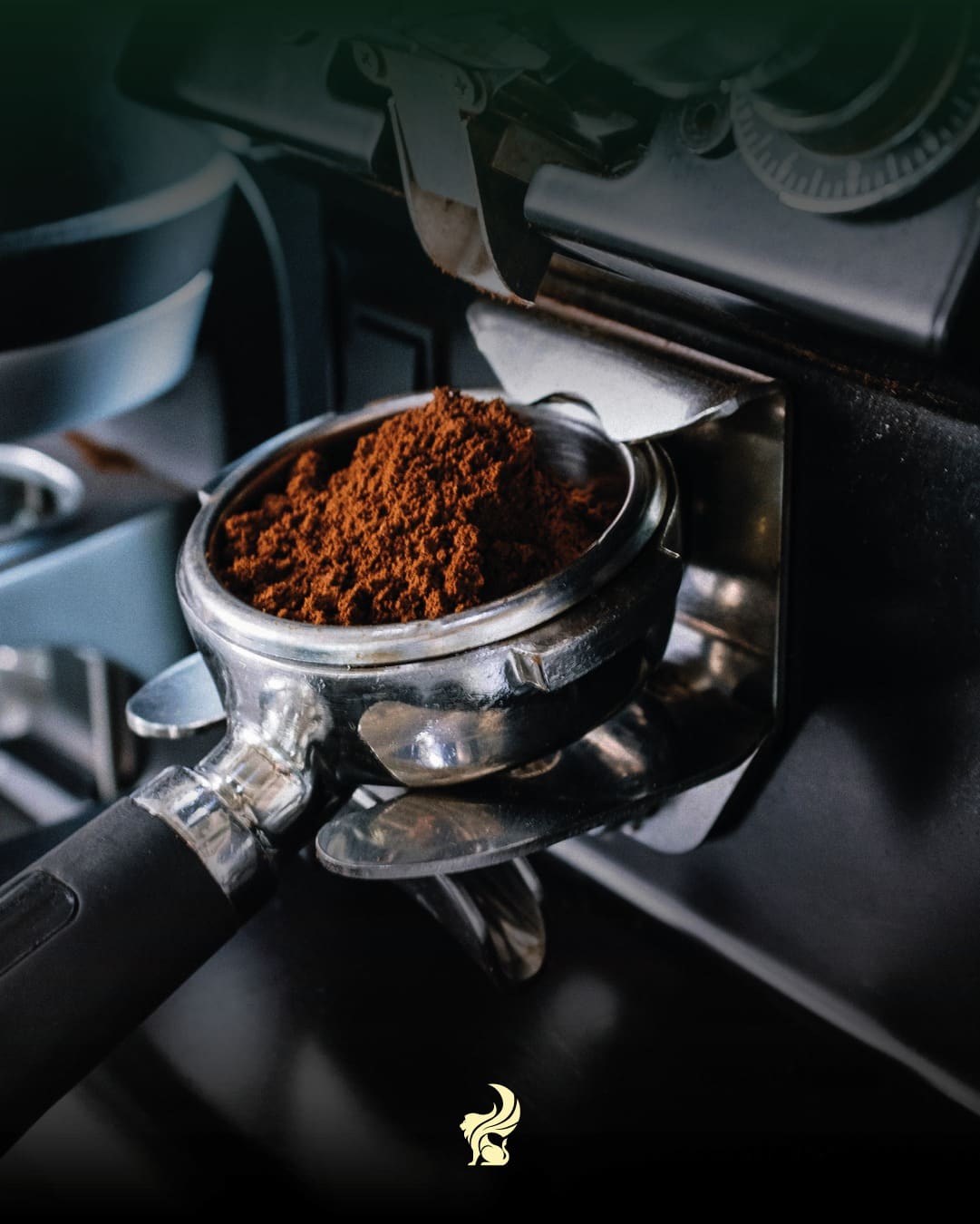
To brew coffee in a moka pot, fill the bottom chamber with cold water up to the safety valve, fill the funnel with a medium-fine grind without tamping it down and level it off, screw the top chamber on tightly, and set the stove to medium heat; steam pressure pushes the water up through the coffee into the top chamber, and the pot should come off the heat as soon as you hear it gurgle and sputter. The whole process usually takes 4-6 minutes starting from cold water. Kimor's espresso coffee line uses a single grind recommended for both espresso machines and moka pots, so moka pot owners don't need to look for a separate grind.
How Fine Should the Grind Be for a Moka Pot
Unlike an espresso machine, a moka pot runs on the lower steam pressure it generates itself, so it needs a grind that isn't quite as fine as espresso, but is still clearly finer than filter coffee. A practical measure is a texture finer than coarse sea salt but coarser than fine granulated sugar — a grind that still feels slightly grainy between your fingers; some sources describe it as a notch or two coarser than an espresso grind. Coffee ground too fine clogs the funnel, slows the water down and pushes the coffee toward a burnt, overly bitter taste; too coarse a grind lets water pass too quickly, leaving the coffee watery and sour. Kimor's espresso grind is recommended for moka pots as well, so there's no need to hunt for that balance separately; anyone grinding at home may need a few tries to land on the right size, and the grinding guide gives a starting point by equipment.
Filling the Water and Setting the Heat
Manufacturer instructions call for filling the bottom chamber with cold water without going past the safety valve on its side; water above that mark can push the pressure inside the chamber higher than it should be. Once the funnel is filled with coffee, it should be leveled off gently with the back of a spoon rather than tamped down; packing it tightly restricts the water flow and can lead to over-extraction, and in some models, unsafe pressure. The top chamber should be screwed onto the base firmly but without forcing it. Keep the stove on medium heat and don't let the flame extend past the base — high heat heats the water faster but burns the coffee and shortens the life of the handle and the rubber gasket. Some baristas heat the water separately and pour it in hot, which shortens time on the stove and lowers the risk of a metallic taste; that said, manufacturer guidance is simply to start with cold water.
Brewing Coffee in a Moka Pot, Step by Step
Before first use, wash all the parts by hand with hot water and no detergent, then run two or three blank brews with just water to clear any metallic taste, pouring that first coffee away. After that, every brew follows the same order: fill the bottom chamber with cold water up to the safety valve, fit the funnel, fill it with ground coffee and level it off without tamping, screw the top chamber on tightly, and place the pot on medium heat. Leaving the lid open lets you watch the brew's progress; once steam pressure starts pushing water through the coffee, you'll first hear a thin stream, then a gurgling, slightly hissing sound — that sound means the top chamber has filled and the brew is done. Take the pot off the heat as soon as you hear it; optionally, cooling the base under cold tap water for a few seconds stops extraction instantly and cuts down on the bitterness that can creep in at the very end. The coffee in the top chamber can settle unevenly, so give it a gentle stir before pouring.
Common Mistakes to Avoid
The most common mistake is filling the water past the safety valve, which can cause both overflow and pressure inside the chamber rising above a safe level. The second is packing the coffee into the funnel — tamping works for an espresso machine, but in a moka pot it restricts the water flow and leads to excessive bitterness, and sometimes unsafe pressure; the right move is a light level with the back of a spoon. The third, as mentioned above, is the wrong grind size: too fine clogs the funnel and gives a burnt taste, too coarse leaves the coffee watery and sour. The fourth is keeping the stove on high heat, which burns the coffee early and shortens the life of the rubber gasket. Cleaning has its own common mistake: putting the pot in the dishwasher or washing it with detergent strips the natural patina on the inside surface, which carries a metallic taste into the next brew; rinsing with hot water alone, and an equal mix of water and white vinegar for mineral buildup when needed, is enough. Finally, the rubber gasket hardens and cracks over time; if you notice leaking or a hissing sound, the gasket has likely worn out and needs replacing.
Trying Kimor's Blends in a Moka Pot
All four of Kimor's blends use the same ground option recommended for espresso, which doubles as the moka pot grind — so Midnight, Morning, Safari and Amazon can all be tried in a moka pot without hunting for a separate grind. The dark-roasted Midnight's walnut, tangerine and black pepper notes reach an intensity in a moka pot close to an espresso machine; Safari, also dark roasted but lighter than Midnight, brings its cocoa side forward in a moka pot, with the depth of roasted cocoa and almond becoming more noticeable. The medium-roast Morning's bitter chocolate and hazelnut notes, and the light-roast Amazon's grapefruit and hibiscus side, are also worth trying in a moka pot; brewing a few blends back to back with the same measure is the most practical way to see which one suits your palate.
A moka pot doesn't generate as much pressure as an espresso machine, but with the right grind, the right water level and taking it off the heat at the right moment, it's one of the most practical ways to get a strong, full-bodied coffee at home. Fixing even one or two habitual mistakes makes an immediate difference in the cup; picking a blend from Kimor's espresso coffee line and trying the same single grind in both an espresso machine and a moka pot is the fastest way to see which method suits your own taste.