

How to Make Cold Brew Coffee: Ratio, Time, Grind
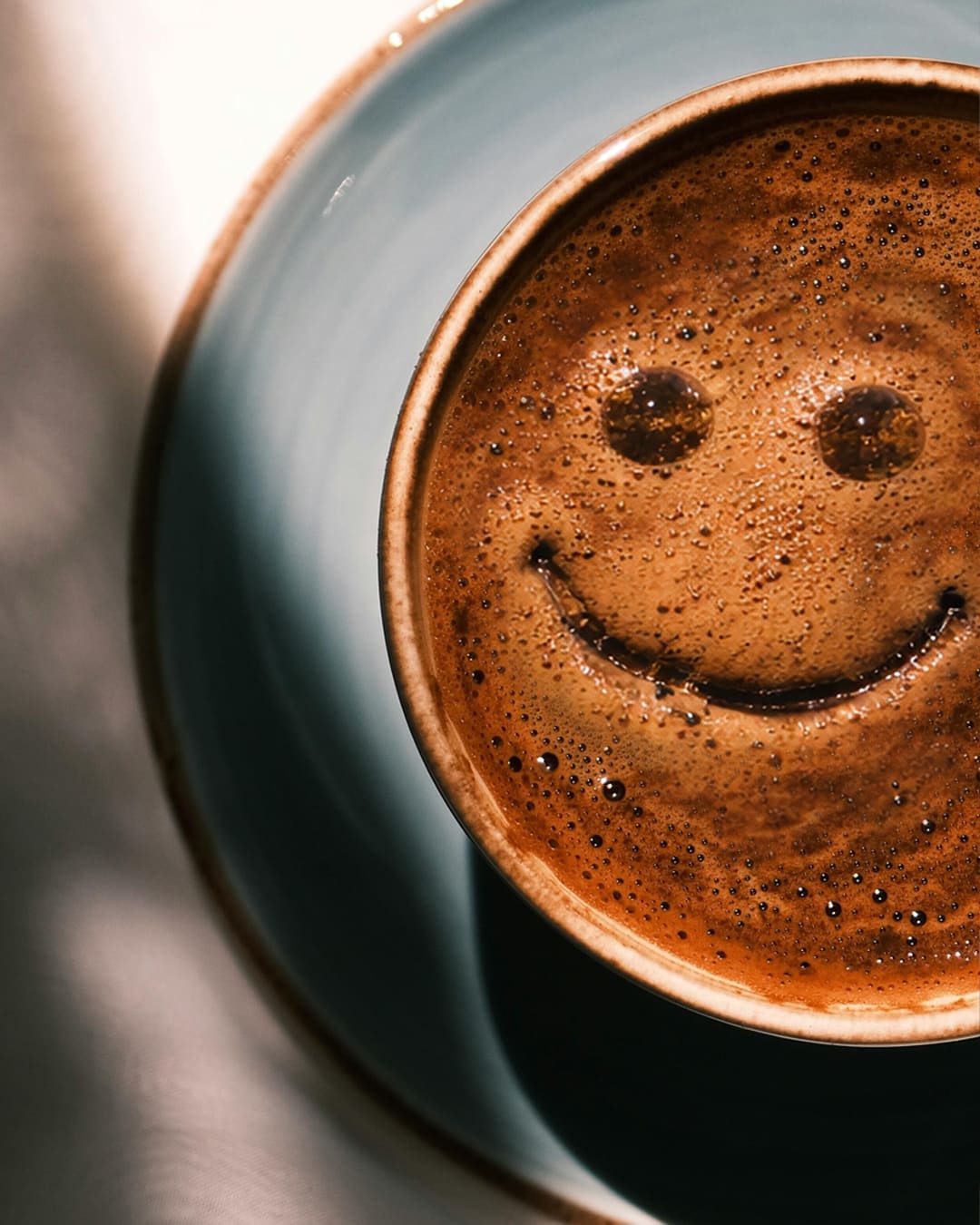
Cold brew is made by steeping coarsely ground coffee in water, without any heat, at room temperature or in the fridge, for 12-24 hours; the most balanced result usually falls between 16 and 18 hours. The coffee is mixed with water at roughly a 1:4 to 1:8 ratio by weight, and once the time is up it's strained through a paper filter or a fine-mesh cloth and diluted with water or milk if desired. Because no heat is used, unlike hot brewing, extraction proceeds much more slowly, which is exactly what gives cold brew its characteristic smooth, low-acid flavor.
What Cold Brew Is, and How It Differs From Iced Coffee
Cold brew and iced coffee are often confused, but they aren't the same thing. Iced coffee is made by brewing coffee normally with hot water and then pouring it over ice or cooling it quickly; the brewing itself happens with hot water, only the serving is cold. With cold brew, the coffee never meets hot water at all — the entire extraction happens during a hours-long steep at room temperature or in cold water. That difference shows up in the cup too: some of the acids and volatile aroma compounds that hot brewing releases dissolve far less in cold brew, which is why cold brew generally comes out smoother, less acidic, and a bit heavier in body. The extraction that finishes in minutes with hot brewing methods like home filter coffee stretches out over hours in cold brew, so even the same beans can produce two very different cups.
How to Choose the Right Grind and Ratio
The grind size guide also notes that cold brew is the brewing method that calls for the coarsest grind of all; the texture should look like coarse sea salt or coarse gravel. If the coffee is ground too fine, the water stays in contact with it for hours, causing over-extraction; the result is bitter and sometimes muddy, and the fine particles also clog the filter and leave the brew cloudy. Sources don't agree on a single ratio: if you're making a concentrate to dilute later with water or milk, a 1:4 to 1:5 ratio (one part coffee to 4-5 parts water) is commonly recommended; if you're preparing it to drink without dilution, the ratio can be stretched to around 1:8; some sources even go as far as 1:12 to 1:15 for the final diluted drink. Whichever ratio you pick, writing down the exact weight of coffee and water you used lets you repeat the same result next time — eyeballing the measurements is the step that causes the most variation in brew quality.
How to Make Cold Brew, Step by Step
First, grind the coffee coarsely and put it in a clean jar or a cold brew maker, then slowly pour room-temperature water over it, making sure every bit of coffee is covered. Seal the jar and let it steep for 12-16 hours if you leave it at room temperature, or 18-24 hours if you prefer the fridge, since the fridge slows extraction down and needs a bit more time. Once the time is up, separate the grounds by straining through a paper filter, a fine-weave cloth, or several layers of paper towel; if the first strain still looks cloudy, run it through a second time. Store the concentrate or ready-to-drink coffee in a sealed container in the fridge; if you made a concentrate, dilute it with water, milk, or plant milk before drinking, and add ice if you like.
Common Mistakes and the Caffeine Myth
The most common mistake is leaving the grind at the setting you'd use for drip coffee or espresso, which makes the brew come out both bitter and cloudy. The second common mistake is over-extending the steep time: brews that go past 24 hours generally aren't stronger, they're just more bitter and woody, so strengthening the ratio is a more reliable way to get a bolder cup than stretching the time. There's also a common assumption about caffeine: people think cold brew is automatically higher in caffeine just because it's made cold, but scientific studies show that the main variables determining caffeine content aren't water temperature but the coffee-to-water ratio, grind size, and steep time. So a cold brew made as a concentrate with a high coffee ratio can indeed be high in caffeine, but compared to a hot brew made at the same ratio, the difference comes down to the ratio, not the temperature.
Which Grind to Choose From Kimor's Coffee for Cold Brew
If you have your own grinder, buying Kimor's blends from the filter coffee page in the Whole Bean option and grinding them coarsely right before brewing gives the most consistent result, letting you dial in exactly the coarseness cold brew needs. If you don't have a grinder and want to try it with Metal Filter or Paper Filter grind instead, that texture will be finer than cold brew needs; brewing cold brew with a grind set for a drip machine can leave you with a result that's both cloudier and more bitter.
Once you've got the grind and ratio right, cold brew turns into a repeatable routine: keep the same coffee, the same ratio, and the same steep time, and you'll get the same cup every time. Start from the middle the first time you try it (coarse grind, roughly a 1:6 ratio, 16 hours), then adjust the time or the ratio by one variable at a time on your next batch based on taste, so you can clearly tell which change actually affected the result. You can keep the finished concentrate sealed in the fridge for days, so brewing a slightly bigger batch at once becomes a practical habit that shortens your morning routine.