

How to Choose Espresso Beans: A Roast and Grind Guide
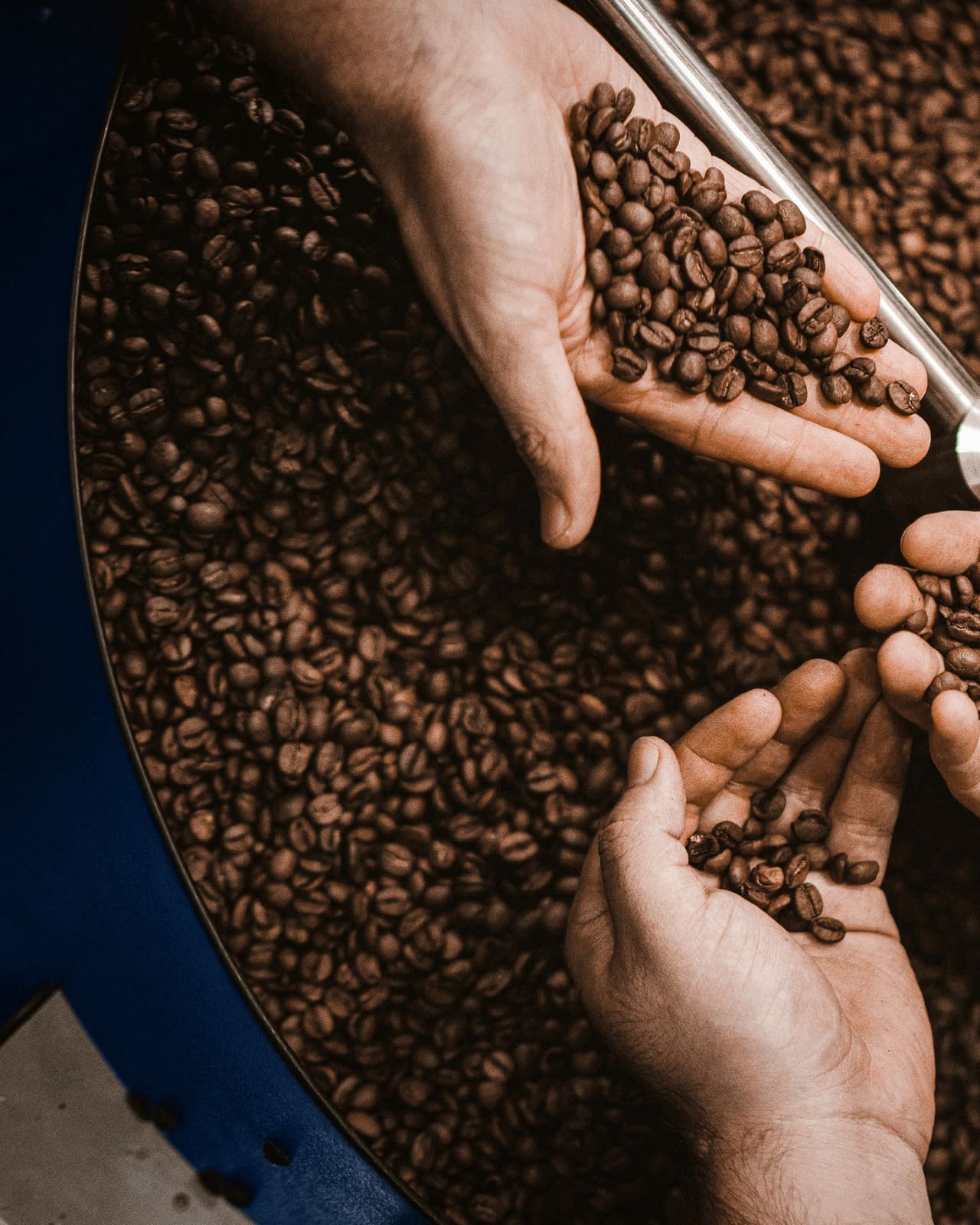
Choosing espresso beans comes down to three things: roast level, how long the beans have rested since their roast date, and whether the grind suits an espresso machine or a moka pot. Medium-dark roasted beans give espresso a heavier body and a darker crema, while lighter roasted beans produce a more acidic, fruit-forward shot; with the right brewing parameters, both can work well. Kimor's espresso coffee line sells all four blends as both ground and whole bean, which makes it possible to match the choice to your palate and your equipment.
How roast level changes espresso
As roast level increases, the sugars in the bean caramelize, acidity recedes and body thickens, which is why traditional Italian-style espresso favors a dark roast. This difference is clear across Kimor's blends: Midnight and Safari are dark roasted, with Midnight's walnut, tangerine and black pepper notes intensifying in espresso while Safari's roasted cocoa and almond side comes forward. Morning sits at a medium roast; the warmth of bitter chocolate and roasted hazelnut is balanced by kumquat's acidity, and in espresso the chocolate-hazelnut side dominates. Amazon is the single light-roasted blend: with grapefruit, nutmeg and hibiscus notes it gives an unusual, lively shot in espresso — outside the classic heavy-espresso expectation, it suits anyone looking for an acidity closer to filter coffee. There is no single right roast level; go for a dark roast if you want an intense, bitter shot, and a light-to-medium roast if you want a fruity, acidic one. Kimor's packaging also marks roast level with a dot scale out of 5; the more dots, the darker the roast. Checking this scale before buying makes it easier to roughly predict how a blend will behave in espresso.
Freshness and resting time of the beans
Right after roasting, beans begin slowly releasing the carbon dioxide (CO2) built up during roasting — this is called degassing. In an espresso pulled from beans that are too fresh, this gas can disrupt water flow during brewing, causing channeling, excessive foaming and an unbalanced, sour taste. Sources show that espresso needs at least a few days of rest after roasting, with flavor intensity typically peaking around one to two weeks after the roast date; lighter roasted beans, being denser, need a bit longer to rest, while darker roasted beans release their gas faster. The practical takeaway: check the roast date on the bag, don't pull a shot from a bag fresh off the roaster without a few days' rest, but don't try to brew espresso from beans that have sat for months either — beans that have fully lost their gas give a thin, patchy crema. So looking for a roast date on the bag, not just a best-before date, is the most practical tip when choosing beans for espresso.
Should you buy whole bean or ground
If you have a grinder at home, buying whole bean is almost always the better choice: coffee starts losing aroma quickly from the moment it's ground, so grinding right before brewing gives a livelier cup than coffee that was ground the day it left the roaster. On Kimor's espresso coffee page, all four blends are also sold as whole bean; if you have a grinder capable of a fine espresso grind, that option is the one to pick. For those without a grinder, or who want convenience, the pre-ground espresso option is ready to go; this grind is recommended not just for espresso machines but for moka pots too, so there's no need to look for a separate moka pot grind. Once opened, ground coffee comes into contact with air faster, so it should be stored in an airtight, odor-proof container and used within a reasonable time.
Adjusting grind size to your equipment
Because espresso is pulled under high pressure in a short time, it needs a much finer grind than filter coffee; under the traditional definition, the correct grind keeps brew time within a 20-30 second range. With a coarse grind, water passes through too quickly and the shot comes out watery, sour and weak; with an overly fine grind, water barely passes through at all and the shot turns burnt and overly bitter. A moka pot runs at lower pressure than an espresso machine, so it can sit at the slightly coarser end of that same fine range — which is why Kimor's single espresso grind is recommended for both an espresso machine and a moka pot. For anyone using a home grinder, the practical rule is: if the shot runs too fast and tastes sour and watery, grind coarser; if it drips out slowly and tastes burnt, grind finer. Don't judge a grind change on a single shot, since the grinder's own consistency also affects the result. For anyone struggling to find the right grind size, the grinding guide gives a more detailed starting point by equipment.
Trying all four blends is the fastest way to find which roast level suits your palate and your machine. Start with the 250 g size and pull shots from Midnight, Safari, Morning and Amazon in turn, noting which gives the darker crema and which gives the livelier, more acidic shot — that makes it easier to pick the right blend before moving up to the 1 kg size next time. This small comparison turns choosing coffee beans from guesswork into a preference verified in your own cup.