

How to Store Coffee Beans? The Right Container and Conditions
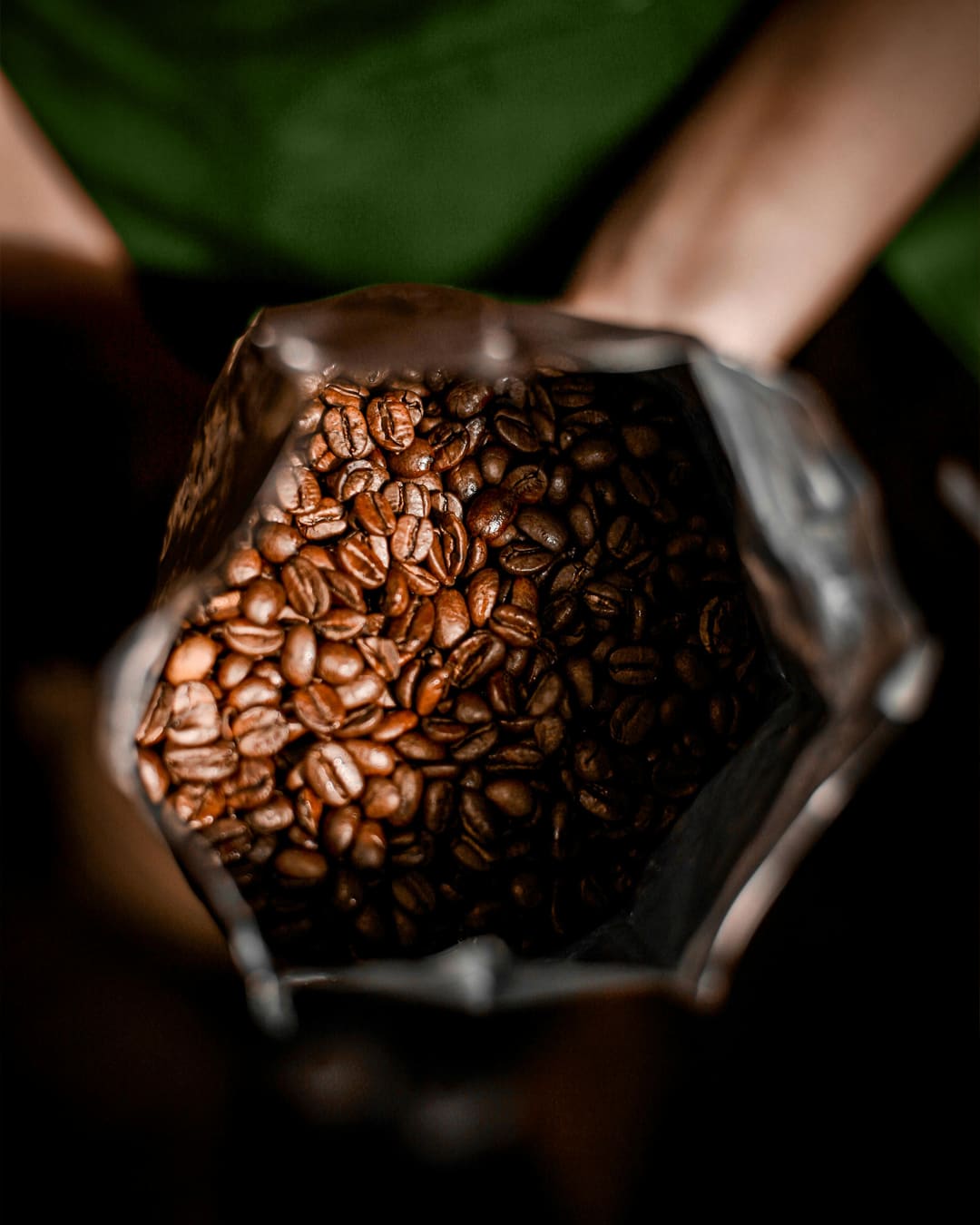
Here's the short answer to keeping coffee beans fresh: minimize their contact with light, heat, moisture and oxygen. Store beans in an opaque, airtight container in a cool, dark cupboard, away from the stove and the oven. Buy whole beans when you can and grind them shortly before brewing — ground coffee loses freshness far faster than whole beans. Checking the roast date on the bag and drinking the coffee within a few weeks of roasting matters just as much as using the right container. The rule stays the same whether it's a small kitchen jar or a large storage canister: the tighter the lid seals, the longer the beans last.
How light, heat, moisture and oxygen break down coffee beans
Roasted beans go stale through four main culprits. Light, especially sunlight, breaks down the oils and aroma compounds in the bean and causes a real loss of flavor — that's why coffee kept in a clear jar on a sunny windowsill dulls within days. Heat speeds up the evaporation of the volatile aroma compounds, which is why the top of the stove, the oven or the fridge are poor storage spots. Moisture encourages mold and off-flavors, and beans also absorb smells, so they shouldn't sit next to spices or onions. Oxygen is the sneakiest factor: beans start oxidizing the moment the bag is opened, and every time you open the lid again the process speeds up a little. A common mistake is storing coffee by folding over the original paper bag and clamping it with a clip; because the bag gets opened and closed repeatedly, both oxygen and moisture work their way in easily.
The right container and the right spot for your beans
The safest choice is an opaque container — ceramic, glass or steel — that seals airtight. A container with a one-way valve is an added advantage: freshly roasted beans keep releasing carbon dioxide, and the valve lets that gas escape while keeping oxygen out. The less empty space in the container, the better — a large jar that's only half full exposes the beans to more oxygen than a small one that's nearly full. Keep the container away from the stove, the oven, the dishwasher or a window; a kitchen cupboard that stays cool, dark and at a stable temperature works best. Temperature swings cause condensation, and condensation causes moisture problems. The fridge isn't a good option either: moist air rushes in every time you open the door and condenses on the beans, and the smells of other food in there transfer to the coffee too.
Whole beans or ground coffee — which keeps longer
Whole beans have far less surface area than ground coffee, so they have much less contact with air and moisture, which keeps them fresh for weeks. Ground coffee's surface area jumps dramatically, and aroma loss starts within minutes — which is why grinding right before brewing makes a far bigger difference than the container you store it in. Kimor's whole bean coffee is sold in both the filter and espresso categories; if you have a grinder at home, buying whole beans and grinding just what you need for each brew is the most practical approach. You can find which grind size suits which brewing method in the grinding guide. If you do need to buy ground coffee, reseal the bag quickly every time you open it, and choose a package size you can finish within a few weeks. Most roasters note that ground coffee loses the bulk of its aroma within the first days after grinding, so a large bag of pre-ground coffee can go stale faster than it looks.
Does freezing coffee beans actually make sense
The freezer can help for long-term storage, but with conditions. Food scientist Andrew Cotter at Penn State published research in the journal Beverages showing that freezing roasted beans preserves aroma particularly well in dark-roast blends, while the difference is less clear-cut for light roasts. The same research found that freezing slows staling but doesn't stop it entirely. Before freezing, beans need to be in a completely airtight, moisture-free package; otherwise ice crystals that form during freezing can damage the bean's cell structure and make flavor and aroma worse after thawing. The practical approach: freeze beans in small portions, don't refreeze a portion once it's been taken out, and don't grind or brew thawed beans before they reach room temperature — repeated thaw-and-refreeze cycles make the moisture problem worse. Rather than grinding beans straight out of the freezer, letting them sit for a few minutes so condensation forms outside the container rather than on the beans protects both the grinder and the flavor.
When should you actually drink the beans
Freshly roasted beans keep releasing carbon dioxide, so they need some rest before brewing. Roasters typically suggest 5–12 days for filter and drip methods, 7–21 days for espresso, and a shorter wait for immersion methods like the French press, since those are less sensitive to gas. Beyond the resting period, the bigger issue is the overall freshness window: even stored correctly, most beans taste best within two to three weeks of the roast date, and the aroma noticeably fades after about a month regardless of how well they were stored. That's why checking the roast date on the bag matters almost as much as checking whether the lid seals tightly — buying the amount you'll actually drink beats buying a large bag and letting it sit. When buying directly from a roaster, checking whether the bag actually prints a real roast date is the simplest way to tell if a 'freshly roasted' label means anything.
Explore Kimor's freshly roasted whole bean and ground coffees ↗