

How to Choose the Right Coffee Grind Size
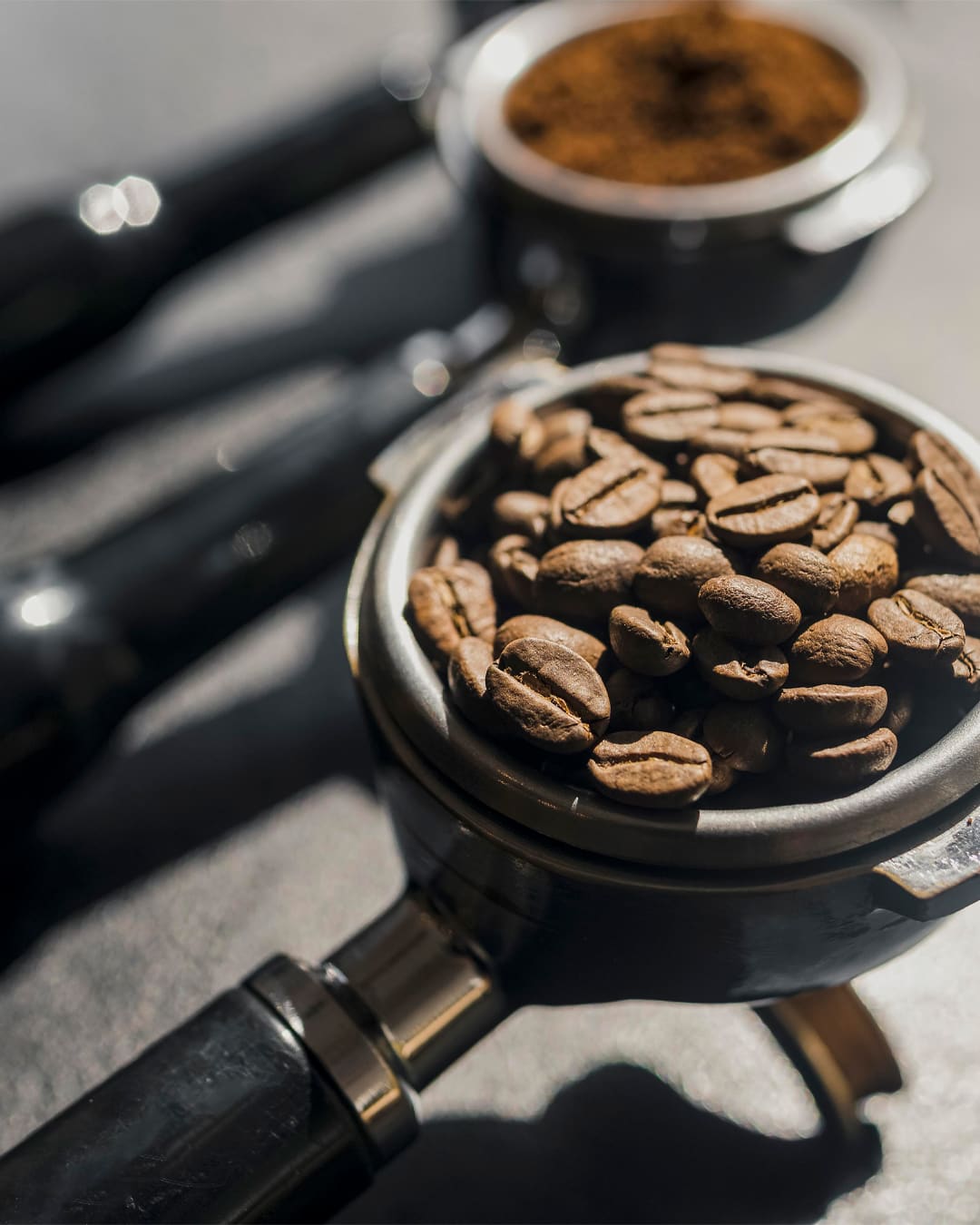
Coffee grind size depends on the brewing method: Turkish coffee needs a grind as fine as powder, espresso and moka pot need a fine grind, drip coffee makers and the V60 need a medium grind, while French press and cold brew need a coarse grind. The reason is simple: the finer and wider the surface where water meets coffee, the faster it pulls out soluble compounds; the wrong grind is the most common reason coffee turns out bitter, watery, or sour. It doesn't matter which grinder or brewing equipment you use — finding the right grind size always comes down to the same logic.
Why Grind Size Is Such a Decisive Factor in Brewing
When a bean is ground, a single piece breaks into hundreds of tiny particles, and the total surface area where water can contact the coffee grows dramatically. According to educational materials long used as a reference in the coffee industry, the rate at which soluble compounds are drawn out is directly related to this exposed surface area — much like powdered sugar dissolves faster than granulated sugar. With a fine grind, water meets more surface area, so extraction speeds up; with a coarse grind, the particles are larger, so water needs much longer contact time with the coffee to reach the same level of dissolution. That's why brewing time and grind size can't be considered separately: a method like espresso that finishes in half a minute needs a fine grind, while a method like cold brew that takes hours finds its balance with a coarse grind. Uniformity matters as much as the grind's fineness itself: if a single brew contains both very fine and very coarse particles together, the fine particles over-extract while the coarse ones under-extract, and the cup ends up tasting both bitter and sour at the same time.
Grind Size by Brewing Method
On Kimor's grind size guide page, you can compare the recommended fineness and texture for each method: Turkish coffee needs a very fine, powder-like grind, espresso and moka pot need a fine grind with a texture like damp sand, Aeropress needs a medium-fine grind, V60 needs a medium grind with a texture like sea sand, Chemex and French press need a coarse grind with a texture like coarse sea salt, and cold brew needs the coarsest grind, like large sea salt crystals. This order isn't arbitrary; since each method has a different water-to-coffee contact time and flow pattern, the grind is adjusted accordingly. Anyone trying the same beans across different methods needs to switch to a different grind setting for each brew, otherwise they'll end up with a result that's either overly intense or watery.
Signs Your Grind Is Too Fine or Too Coarse
When the grind is finer than it should be, water stays in contact with the coffee for too long and over-extraction occurs; the result is a bitter, harsh, sometimes ashy-tasting cup, and in drip coffee makers water also has trouble passing through the coffee, so dripping slows down or clogs. When the grind is coarser than it should be, water can't make enough contact with the coffee, resulting in under-extraction; the coffee tastes watery, sour, and flat. According to criteria accepted in the specialty coffee community, a balanced cup should stay in roughly the 18-22 percent range of dissolved solids; below this range is considered under-extraction, and above it, over-extraction. You can tell which side you're on just by tasting: a bitter, dry aftertaste points to too fine a grind, while a sour, thin body points to too coarse a grind. In methods you can watch directly, like French press or the Turkish cezve, the plunger being much harder to push down than expected, or the grounds barely releasing water, is also a practical sign that the grind has gone too fine.
Finding the Right Setting on a Home Grinder
Since every grinder's dial is calibrated differently, giving a single universal number would be misleading; the right approach is to move in small steps. Keep the same coffee and the same ratio, change only the grind by one setting, brew, and taste it; if you taste bitterness, go one setting coarser, and if you taste sourness or weakness, go one setting finer. Freshly ground coffee extracts much faster and more evenly than coffee that was ground ahead of time and left sitting; this is exactly where the core difference behind whole bean vs. ground coffee comes in, because when beans are ground right before brewing, the aroma compounds haven't had time to escape yet. That's why, for anyone who brews regularly, a home grinder gives a more consistent result than a pre-ground pack, since it offers the freedom to change the grind size at any moment. Whenever you adjust the grinder, work on only one variable on the same day; if you change the water temperature or the ratio at the same time, you won't be able to tell which setting actually affected the result.
Grind Options in Kimor's Coffee
If you don't have your own grinder, or you'd rather have the right grind ready for your method, Kimor's coffee page offers Whole Bean, Metal Filter, Paper Filter, and Ground for Espresso options separately for every blend; so you can pick the paper filter grind for your drip machine, or the espresso grind for your moka pot or espresso machine, and brew without having to deal with your own grind setting. For anyone who wants to learn to calibrate their own grinder, the whole bean option gives you the freedom to set the grind entirely to your own method.
Grind size isn't the only variable in brewing coffee, but it's one of the most overlooked; even if you get the coffee-to-water ratio and brewing temperature right, the wrong grind can turn the same beans into two very different cups. Whenever you switch methods or try a new batch of beans, treat recalibrating your grind setting as normal — it's part of the brewing process, not a mistake.