

Turkish Coffee: Medium Roast or Dark Roast?
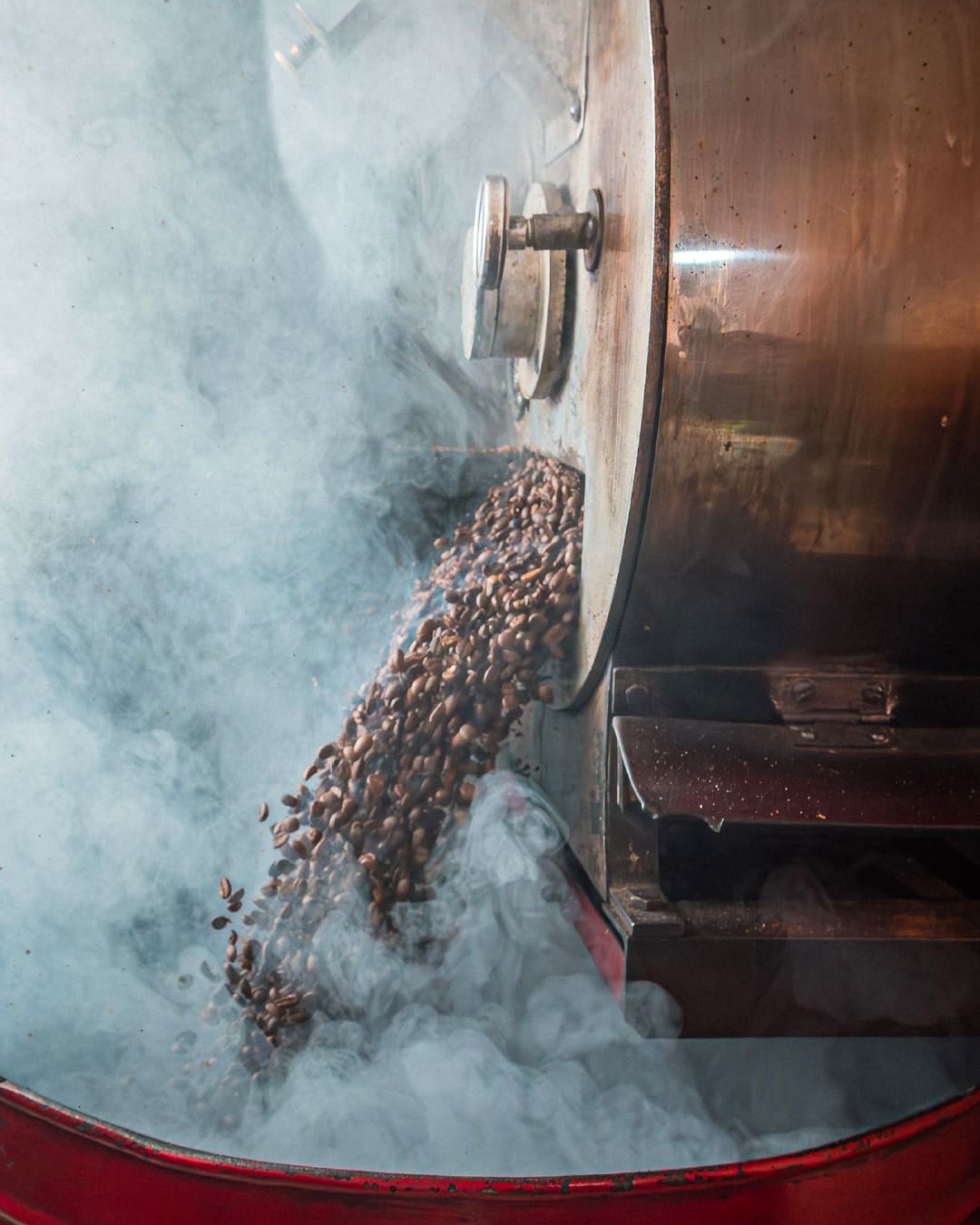
If you want a classic, balanced Turkish coffee with cocoa and hazelnut notes, choose the medium roast; if you're after a more intense, stronger cup with plenty of foam and a long finish, the dark roast is the right pick. The difference between the two isn't a matter of quality but of taste preference: as the roast gets darker, the acidity in the beans fades and bitterness and body (the fullness felt in the mouth) come forward. People new to Turkish coffee, or those wary of bitterness, usually start with the medium roast, or even the milder basic roast; palates that love dark coffee go straight for dark. Whichever you pick, the preparation steps and the grind stay the same — only the taste in the cup changes.
What roast level changes in Turkish coffee, and what it doesn't
In filter or espresso coffee, grind size can be adjusted along with the roast level and brewing method; Turkish coffee works differently. All three roasts use the same grind: a powder-fine texture, as fine as flour. This fineness is considered decisive for foam formation and mouthfeel; sources put the target range at roughly 75-125 microns and note that most standard electric home grinders can't reach this fineness, which is why Turkish coffee is usually bought either pre-ground or ground with a dedicated grinder. A coarsely ground Turkish coffee won't hold foam no matter the roast, and the grounds settle as a thick layer at the bottom of the cup. What roast level does change is the taste: the acidity-bitterness balance, the intensity of caramelized notes, and the aftertaste left in the final sip. The accepted range for Turkish coffee sits between medium and medium-dark roast; very light or very dark roasted beans are noted not to give the expected result with this method. Kimor's three options — basic, medium, dark — correspond to points 3, 4 and 5 on a five-point roast scale, meaning basic is the lightest end and dark the most intense. That's why pre-ground Turkish coffee that also states its roast level on the pack lets you know in advance which taste profile you're getting.
Medium roast: what the classic taste means
Medium roast is the reference point for anyone looking for the familiar taste of Turkish coffee: cocoa and hazelnut notes stand out, and bitterness and acidity balance each other, staying neither too light nor too intense. In Kimor Turkish coffee, the medium roast is the option that finds common ground when serving a guest their first Turkish coffee, or when a family has different palates — most people describe the medium roast as "regular" Turkish coffee. If it's going to be served alongside something sweet, like Turkish delight, the medium roast gives a balanced cup that doesn't overpower the sweetness; it also offers a bitterness that isn't excessive for those who prefer it plain or lightly sweetened.
Dark roast: the difference in intensity, foam and finish
As the roast gets darker, the acidic compounds in the bean decrease and give way to a more pronounced bitterness and a heavier body; this pattern is described consistently in general roasting sources when moving from a light roast to a dark one. Kimor's dark roast carries this intensity into Turkish coffee: a strong cup with a pronounced bitterness, foam that holds a bit longer, and a taste that lingers longer in the mouth. For those who like drinking it plain and want the coffee to still leave a taste in the final sip, dark roast gives a more satisfying result than medium. People who prefer it sweet usually add one more level of sugar with dark roast to balance the bitterness; those used to strong coffee who like it plain can comfortably drink dark roast without sugar at all.
Basic roast: when the third option makes sense
For anyone torn between medium and dark, there's a third option: Kimor's basic roast offers a soft, balanced cup with the least bitterness. For people sensitive to bitterness, those who drink Turkish coffee daily and often, or households looking for a roast that suits different age groups, basic roast is the least surprising starting point. Since all three roasts share the same pack and the same visuals, deciding which to pick is as simple as changing the box ticked at checkout; all three boxes are printed on the label, and the roast being sent is marked.
Which roast to choose: a short decision guide
You can narrow the decision down to four questions. How tolerant are you of bitterness: low means basic, medium means medium roast, high means dark roast. Who is the cup for: medium roast is the safer choice for a guest trying it for the first time, while dark roast won't surprise someone who drinks Turkish coffee regularly. How much do you care about foam: all three produce foam when brewed correctly, but dark roast tends to hold it a little longer. Will it be served with something sweet, like Turkish delight, or plain: medium roast pairs better with something sweet, while dark roast suits a plain, strong cup better. If you're still undecided, getting one pack of each roast and trying them side by side is the fastest way to see which one matches your palate.
Roast level doesn't change anything on the preparation side: whichever you choose, getting the foam right means taking the cezve off the heat just before it boils and keeping the fine grind intact. We cover the step-by-step ratio and technique, which applies regardless of roast, in our how to make foamy Turkish coffee article; you can also browse all three roasts in one pack on the Kimor Turkish coffee page.